
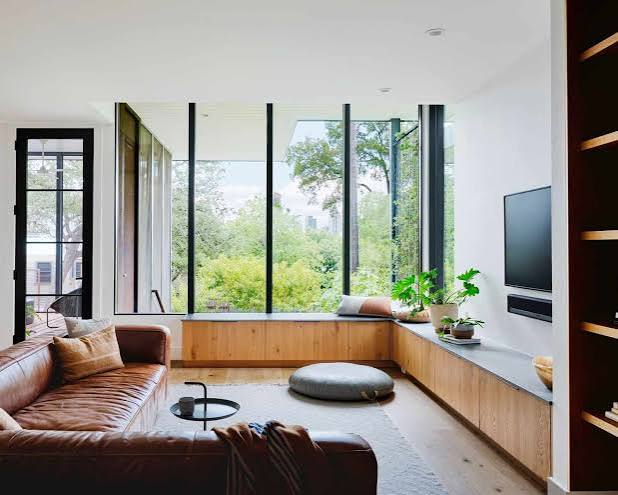

Beyond the Hanging Plant
Biophilic design — the intentional incorporation of natural elements, patterns, and processes into the built environment — is backed by a substantial body of research connecting contact with natural elements to reduced stress, improved focus, lower blood pressure, and enhanced wellbeing. The residential design industry has absorbed this research, largely by marketing ‘bring nature indoors’ as a theme that mostly means buying houseplants.
Genuine biophilic design is broader and more specific than that. It involves natural materials, dynamic light, natural patterns, water elements, sensory engagement, and visual connection to the outdoors — a multi-layered approach that creates a qualitatively different indoor environment than a strategically placed fiddle-leaf fig.
Natural Materials: The Foundation Layer
The most impactful biophilic design element is the material palette of the space. Natural materials — unfinished or lightly finished wood, stone, leather, wool, cotton, linen, cork, rattan — create a fundamentally different sensory environment from synthetic substitutes. The variation, texture, and smell of natural materials engage the senses in ways that engineered substitutes don’t, regardless of how closely the substitute replicates the natural material’s appearance.
Prioritize natural materials at the surfaces that receive the most sensory contact: floors underfoot (wood, stone, cork), upholstery that touches skin (wool, cotton, linen, leather), and the surfaces hands contact most frequently (wood countertops, stone tabletops, wooden furniture).
Dynamic Natural Light: The Variable That Most Homes Ignore
Natural light changes throughout the day — in color temperature, intensity, direction, and quality. A room with generous natural light that varies across the day creates a dynamic environment that the brain registers as alive and responsive; a room with fixed artificial light at constant intensity feels static and flat by comparison.
Design decisions that maximize dynamic natural light: window treatments that allow light modulation without blocking it (sheer panels that diffuse rather than block, roller shades that can be partially raised to control angle), reflective surfaces near windows (mirrors, light-finish floors) that extend natural light’s reach, and the deliberate placement of furniture to track favorable light across the day.
Natural Patterns in Textiles and Surfaces
Research on preference for visual patterns consistently finds that humans respond positively to fractal patterns — the self-similar, repeating patterns found in natural forms like tree branching, river deltas, and coastlines. Textiles, wallpapers, and surface materials that incorporate organic, fractal-resembling patterns are preferred over strictly geometric or random patterns in most residential contexts.
Natural patterns in home materials: botanical prints in textiles and wallpaper, wood grain in flooring and furniture surfaces, stone veining in countertops and tile, woven natural fiber textures in rugs and upholstery. These aren’t just aesthetic choices; they’re pattern types that human perception is specifically attuned to find appealing.
Water Features: The High-Impact Biophilic Element
Moving water is the most powerful biophilic element available for residential interiors and the one least often incorporated. The sound of moving water has documented stress-reduction effects — it masks background noise and provides the kind of gentle, non-repetitive auditory stimulus that the brain processes as relaxing rather than alerting.
Indoor water features range from small tabletop fountains ($50–$200) that create gentle movement and sound on a desk or side table, to wall-mounted panel fountains ($300–$1,500) that function as art pieces with sound, to custom water installations for significant residential projects. Even a small tabletop fountain in a home office or bedroom creates a measurable change in the sensory environment that houseplants and natural materials alone don’t produce.