

If you have ever searched online for air duct cleaning, you have probably noticed two wildly different worlds. On one side, a postcard in your mailbox promises a “whole-home duct special” for forty-nine dollars with zero limits on vents. On the other side, a certified ventilation contractor quotes several hundred dollars and talks about static pressure, HEPA containment, and access panels. As a technician who regularly gets called in to fix the aftermath of cut-rate “blow-and-go” jobs, I can tell you that asking five or six smart questions before booking an appointment saves homeowners and facility managers from wasted money, damaged flex ducts, and clouds of dust blown straight into their living spaces.
What Method Do You Use to Remove Debris?
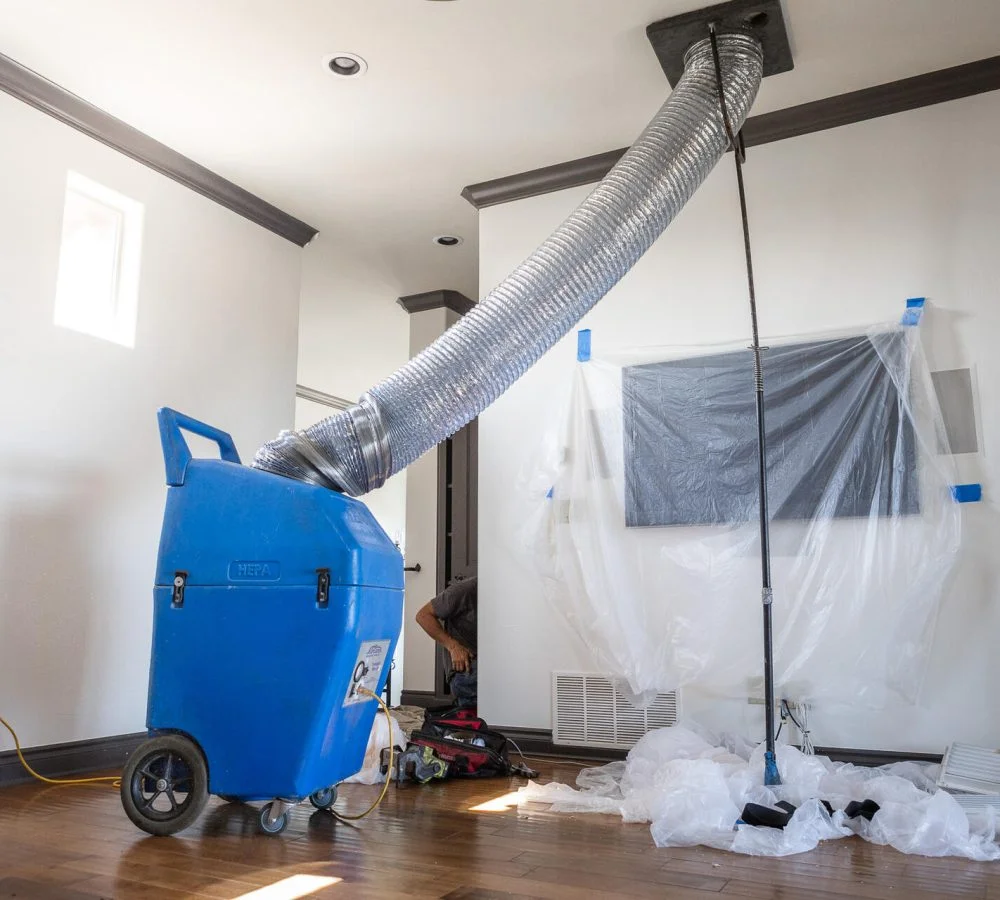
The very first question out of your mouth should focus on physical source removal rather than vague promises about “sanitizing” or “freshening” your vents. Legitimate technicians rely on mechanical agitation paired with continuous negative air pressure. That means hooking an industrial HEPA-filtered vacuum collector to your main trunk line while feeding rotary brushes or compressed-air whips down every supply and return branch to scrub debris off the interior walls.
If a company tells you they simply stick a standard shop vacuum hose down each floor grille from inside the room, thank them politely and hang up. Vacuuming a couple of feet past the register boot leaves ninety percent of the buildup untouched inside the main trunk plenums and evaporator coil housing. FollowingNADCA standard duct cleaning protocols ensures that every component of your air distribution system, not just the visible grille openings, gets cleaned under full containment.
Will You Clean the Air Handler, Blower Wheel, and Evaporator Coil?
Cleaning your sheet metal trunks while skipping the mechanical heart of your HVAC unit is a bit like washing your bath towels and then drying them in a mud-caked dryer. Every cubic foot of air circulating through your building passes directly across the squirrel-cage blower wheel and indoor evaporator coil. Over years of operation, fine dust bypasses filter frames and packs tightly into the curved blower blades and aluminum coil fins, choking airflow and cutting heat-transfer efficiency.
Ask prospective contractors whether their scope of work includes inspecting and cleaning the blower compartment, coil cabinet, and condensate drain pan. A thorough technician treats the ductwork and air handler as one unified thermal loop rather than two separate sales pitches.
How Do You Protect My Home or Office From Dust Escape?
The whole point of hiring a duct specialist is removing trapped particulates from your building, not relocating them from inside your ceiling onto your sofa cushions, server racks, or dining table. Ask how the crew establishes containment before turning on any agitation equipment. Properly trained technicians seal off every supply and return register throughout the floor plan so the negative-air collector pulls a strong, continuous vacuum across the entire network.
Additionally, verify that their collection equipment uses certified true HEPA filtration capable of trapping 99.97 percent of particles down to 0.3 microns. Whether they run a high-powered truck-mounted vacuum rig with hoses routed carefully through a padded door guard or bring portable commercial HEPA units indoors for high-rise offices, exhaust air should never leak dust back into occupied rooms.
How Will You Access the Main Trunk Lines and Seal Them Afterward?
To connect a heavy eight-inch vacuum hose and reach deep into main supply and return trunks, technicians almost always need to cut clean circular service openings near the furnace or air handler. There is nothing wrong with cutting access ports, in fact, it is standard industry practice, provided the crew knows how to close them permanently when the job finishes.
Ask what materials they use to seal those openings afterward. The right answer involves oversized galvanized sheet metal patches, foil-backed butyl mastic tape, and mechanical sheet-metal screws that create an airtight, permanent seal. If someone plans to slap a piece of gray cloth duct tape over a raw hole in your plenum, keep looking, cloth adhesive dries out within months and leaves you with massive conditioned-air leaks.
Can You Show Me Before-and-After Visual Proof?
Because ninety-five percent of your ductwork sits hidden behind drywall or above drop ceilings, accountability matters. Reputable technicians carry borescope inspection cameras or high-resolution digital cameras and happily capture before-and-after photos inside your main plenums, branch runs, and blower housing. Seeing bare galvanized metal where thick gray lint used to sit gives you undeniable proof that you got exactly what you paid for, and alerts you to any hidden issues like disconnected flex ducts or rusted drain pans.
Watch Out for Bait-and-Switch Pricing and Mystery Chemicals
Finally, always ask for a clear, transparent quote based on your system count and square footage before anyone steps through the door. Ultra-low coupon specials almost always rely on high-pressure upsells once the technician arrives, suddenly charging extra per vent, per return, or for “mandatory mold treatments.” Be equally cautious of contractors who push routine chemical foggers or biocides inside residential ductwork without documented microbial testing, mechanical removal of dry debris is what truly restores clean indoor air.
A Little Homework Guarantees Clean Results
Hiring a duct cleaning specialist does not have to feel like a gamble. When you ask targeted questions about negative-pressure containment, air handler cleaning, permanent plenum sealing, and visual verification, honest experts welcome the conversation while corner-cutters quickly fade away. Take ten minutes to vet your contractor upfront, and you will enjoy cleaner air, lower energy bills, and complete peace of mind.