
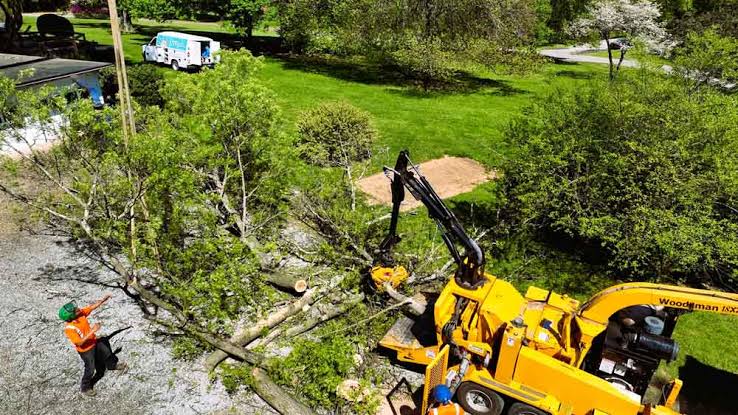

The demand for professional arboricultural services across Bendigo has grown substantially in recent years, and the reasons are not difficult to identify. The city’s tree population — a mix of mature European species planted in earlier decades and native vegetation that has been increasingly recognised for its ecological and amenity value — requires consistent professional attention to remain safe and healthy as it ages.
At the commercial end of the market, the combination of increasing property values, higher public liability awareness, and stronger insurance requirements has driven property managers and business owners toward scheduled professional tree care rather than the ad hoc reactive approach that was once standard.
Why Commercial Demand Is Rising
Commercial tree services Bendigo is in increasing demand because the risk management conversation around commercial property has matured. Insurers are more demanding about documented evidence of preventive maintenance. Legal advice on public liability has become more explicit about the property owner’s obligation to manage foreseeable risk. And the reputational cost of a visible incident on a commercial site — a falling limb in a customer car park, root damage to neighbouring properties — is better understood than it once was.
Together, these factors have shifted the economics of commercial tree maintenance decisively toward proactive professional management rather than reactive emergency response. The cost of a scheduled maintenance program is predictable and manageable; the cost of an unplanned incident is neither.
The Lopping Demand
The demand for tree lopping Bendigo reflects a specific cycle in Bendigo’s urban tree population. Trees planted extensively in the 1960s through 1980s are now reaching the phase of their development where significant structural management is required — they have grown to sizes that their original planting positions did not anticipate, their canopies have developed structural characteristics that need professional assessment and intervention, and the cumulative effect of years without consistent professional management has in some cases created safety situations that need prompt attention.
Quality Differentiation in the Market
As demand has grown, so has the number of operators claiming to offer professional tree services. The quality differentiation between qualified arborists and unqualified general operators has become a more significant practical concern for commercial property managers who are making contracting decisions based on professional documentation, compliance standards, and long-term accountability rather than simply price.
TBS Trees: Meeting the Demand Professionally
TBS Trees has grown with the Bendigo market, maintaining the professional standards — qualifications, insurance, documentation, and quality of execution — that commercial clients require while building the team capacity to serve the growing demand for both commercial and residential arboricultural services across the region. For commercial clients evaluating their options, TBS Trees represents the professional standard the market is demanding.