
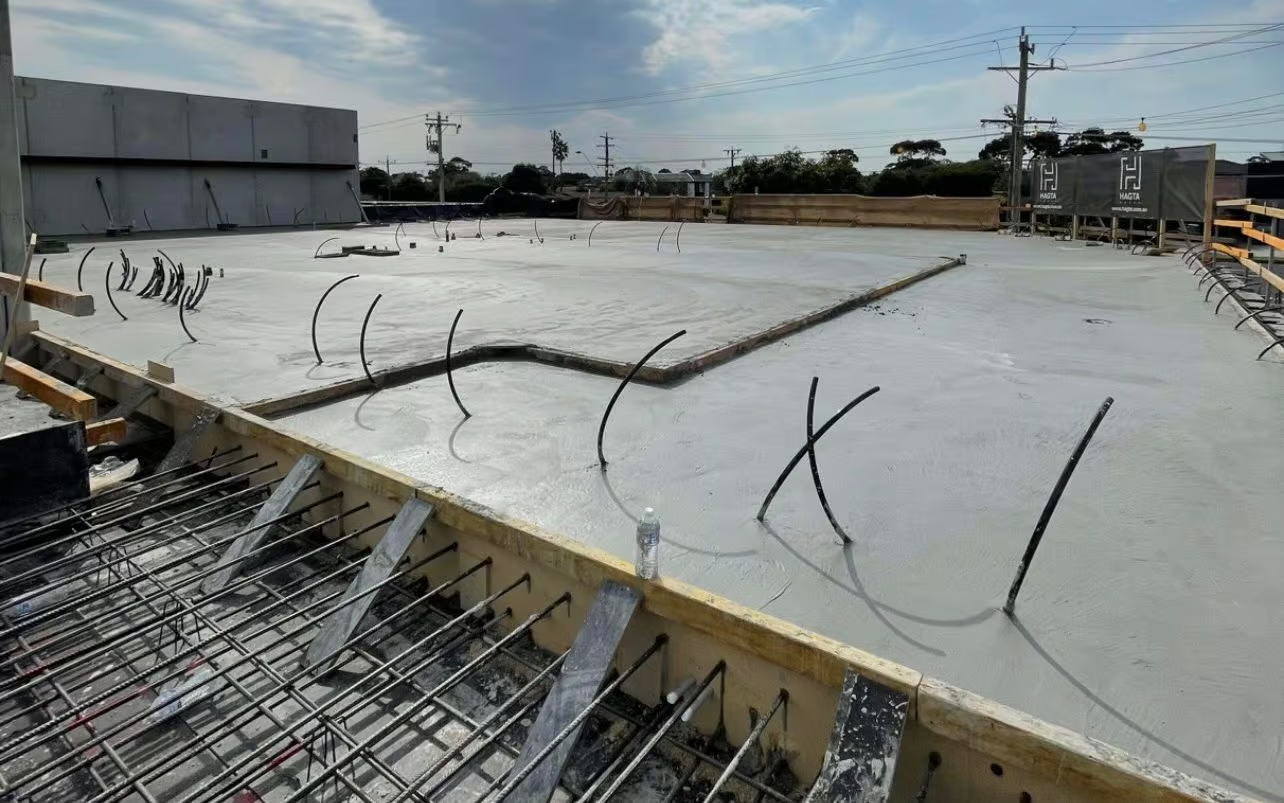

Exposed aggregate driveways are famous because of their textured finish and unique look. However, loose stones on the surface can raise concerns, particularly with a recent driveway.
With normal ageing, some small amount of stone loss may be experienced. On the other hand, if too much aggregate is beginning to break loose it may indicate problems with the installation such as surface damage or poor concrete curing. Knowing your way through the two makes it easier to choose what should be done next. Correct installation and finishing are the keys to mitigate these issues if you have planned out concreting in Dandenong.
Why Do Stones Come Loose?
Exposed aggregate concrete has decorative stones in it that are uncovered when the top layer of cement paste is removed. Aggregate should stay well embedded in the concrete.
A few surface wears can happen in time on account of traffic, climate, and general use. However, stones should not break continuously and in large quantities.
If the surface starts to shed stones only shortly after installation, there may be more than natural wear and tear.
Normal Wear or Installation Problem?
In an older driveway, a few loose stones may be quite common. The constant loss of stone over wide swathes is something else entirely.
Possible warning signs include:
- Large patches of missing aggregate
- Loose stones falling off within days of being installed
- A soft or weak surface
- Uneven exposure
- Crumbling concrete around the stones
- Rapid deterioration after heavy rain
The age of any existing driveway is a big clue. The new surface losing many of its stones down on this stretch should be examined more closely.
Could This Be Due to Poor Surface Preparation?
Preparing to ‘pour’ is done well before concrete is placed! It needs to be prepared and compacted so that it’s stable.
Also, determine the quality of concrete placement, finishing, and curing. If these stages are not carried out or poorly managed, the surface may never harden as intended.
When planning for projects like concrete driveways in Mornington, local conditions should also be considered; factors like weather, and ground conditions will help determine the saturation of rocks against drains.
The Role of Concrete Curing
Concrete takes time to set and strengthen. Over-watering during this period, high heat, or too much early traffic can cause problems with the finished surface.
Using a driveway too soon can also make the surface more susceptible to damage.
Such curing practice will enable the concrete to gain its desired strength and provide long-term durability.
Can Weather Cause Stone Loss?
Outdoor concrete is always exposed to dynamic weather, rain, and moisture. In addition to that, insufficient drainage hinders it as water can pool around or under the driveway.
Don’t treat the loose stones as a separate problem if regular pooling of water is found on the surface; check our drainage.
Go for professional concreting in Dandenong that includes drainage, drops, and the previous state of the driveway.
That to Do If Stones Keep Coming Out
Start by documenting the problem. Make sure you take clear pictures and note when you first noticed your stone loss.
If the driveway is relatively new, contact its installer to review it. Do not blast it until you have learned the cause, as that may remove additional free stuff.
With old concrete driveways in Mornington, a professional inspection will identify if repair, resurfacing, or replacement is viable.
Final Thoughts
Loose aggregate loss is a small amount can be considered as part of normal ageing of your driveway. But if there is rapid or large-scale loss of stone, this can be attributed to improper installation, insufficient curing, and drainage problems or surface deterioration.
It varies depending on the age, state, and construction of the driveway. With proper concreting in Dandenong and careful upkeep, your exposed aggregate driveway can last for many years while maintaining its new appearance strength.