

Not only does a business alarm make noise when someone breaks in. They can offer an intrusion detection capability, alert others in close proximity, and are a part of an integrated security plan. However, Melbourne business owners have to choose between monitored or unmonitored system.
Choosing the right option can depend on your premises, working hours, exposure to risk, and how fast of a response needed when an alarm is triggered.
What is a Monitored Alarm System?
A monitored alarm system is one that will send alerts to a professional monitoring centre when it detects an event of a security nature. Per the service, human operators are trained to assess the alert and follow an established response protocol.
This is helpful for businesses that are empty for long stretches of time. It is a mechanism that maintains external oversight during non-business hours.
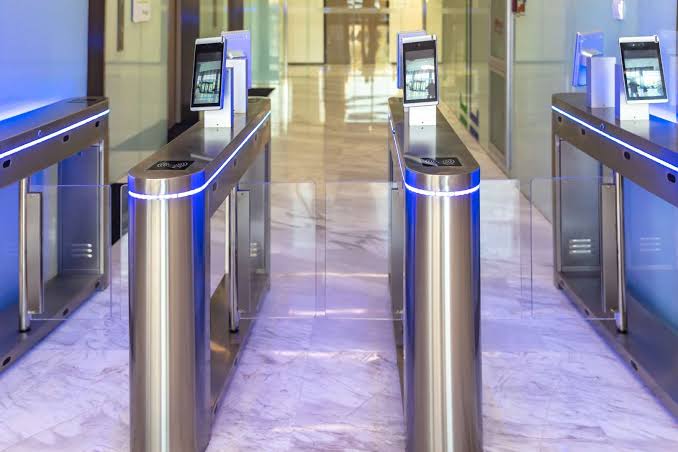
In commercial properties, monitored alarms work well with a commercial access control installation in Melbourne to provide the optimum benefits.
How Does an Unmonitored Alarm System Function?
A monitored alarm typically delivers an alert to the business owner or any other designated contact. It includes either a siren, smartphone alert, or both.
After the alert is where they differ.
In an unmonitored system, someone who gets the notification must take action. Watch CCTV, call a security firm, or even 911 if you must.
This is great for small businesses where someone you can trust is usually available to reply.
Monitored vs Unmonitored: Key Differences
Both are capable of detecting an unwanted entry, but they respond to alerts differently.
Monitored systems
- Alerts are then forwarded to a monitoring centre.
- An agreed response procedure that operators can follow.
- They can help supervise a unattended premises.
- They often include ongoing monitoring fees.
Unmonitored systems
- Alerts are sent straight to nominated contacts.
- There is normally no monitoring centre involved.
- The owner or staff replies.
- Ongoing costs may be lower.
Which System Suits Your Business?
There is no magic bullet for every Melbourne business.
For example, a small store that is open on set hours and staffed with people may have different security requirements than a warehouse stocked full of high value equipment. A business that is open late at night may also require more after-hour defences.
A commercial alarm system in Melbourne can be drafted based on the configuration of the workplace facility, avenues to enter and exit, as well as day-to-day operations.
It is also good to consider how the staff flies in and out of property. Access control can limit specific spaces to only those who are trained for entry, while alarms can be set to alert if unusual behaviour occurs.
Consider the Whole Security System
Not every Melbourne business has a one-size-fits-all solution.
A store with a small number of products and constantly-staffed premises might have other security needs than a warehouse filled with costly machinery. A business operating overnight might require even tighter after-hours protection.
The purpose of a commercial alarm system in Melbourne should be tailored to the building and its points of entry and daily activities.
Another thing to think about is how the staff enter and exit the premises. A commercial access control installation will prevent access to some places only for those who are authorised, and alarms have the function of alerting to unusual activity.
Choose Wisely Depending on Your Risk
A monitored system provides professional service once an alarm has been triggered. A self-monitored system provides the business owner with blind control of alerts, as well as lower recurring expenses.
If your business requires a little more protection, you should contact a security professional and ask them to tailor make a commercial alarm system in Melbourne that suits your premises.
It is not just to fix an alarm. The objective is to build a security system that functions when the business is open, closed, and left alone.