

d into three levels, with each one providing a different degree of examination.
A Level 1 inspection is typically appropriate when a chimney and appliance are being used under the same conditions for which they were originally designed, and there are no known concerns. It generally focuses on readily accessible portions of the system.
A Level 2 inspection goes further. It involves a more extensive examination of accessible areas of the chimney and typically includes an internal visual examination of the flue using specialized equipment when appropriate.
A Level 3 inspection is more invasive and may involve removing certain components or materials to investigate a suspected hidden problem.
The key point is that a Level 2 evaluation isn’t simply a more thorough version of routine cleaning. It is intended to provide additional information about the condition of the chimney when circumstances call for it.
When Might a Home Need a Level 2 Inspection?
There are several situations where homeowners may benefit from a more detailed evaluation.
One common reason is a change to the appliance or fuel type. Installing a new fireplace, wood stove, furnace, or other heating appliance can change the requirements placed on the existing chimney. The flue needs to be compatible with the new equipment, and an inspection can help determine whether the existing system is suitable.
Another situation is when a property changes ownership. A new homeowner may not have reliable records showing when the chimney was last inspected, cleaned, repaired, or modified. A more comprehensive evaluation can establish a clearer understanding of the system’s current condition.
A chimney fire is another significant reason for further assessment. Even if the damage isn’t obvious, intense heat can affect components within the chimney. A detailed inspection can help determine whether the system sustained damage that could compromise future use.
Changes to the building itself may also matter. Renovations, additions, roofing work, or structural modifications can affect how a chimney functions or how it connects with other parts of the home.
Why the Interior Flue Matters
The interior of a chimney is one of the most important areas to examine because many potential problems can’t be identified from the outside.
The flue provides the passage through which smoke and combustion gases leave the home. Depending on the chimney design, it may contain a masonry flue, metal liner, or another approved lining system.
Cracks, gaps, deterioration, excessive deposits, or other defects inside the flue can affect ventilation and potentially expose surrounding materials to excessive heat or combustion byproducts.
A chimney camera can provide a closer look at portions of the flue that would otherwise be difficult to examine. This technology allows an inspector to document conditions and identify abnormalities that may not be apparent during a basic visual assessment.
For homeowners considering a more comprehensive evaluation, Level 2 chimney inspection in Maryland is one option to explore when circumstances indicate that additional inspection may be appropriate.
Maryland Weather Adds Another Consideration
Chimneys in Maryland have to withstand changing weather conditions throughout the year. Rain, humidity, temperature fluctuations, snow, ice, and strong winds can all contribute to wear.
Water infiltration is particularly concerning because moisture can reach areas that aren’t immediately visible. Damaged flashing, cracked masonry, deteriorated mortar, and problems with the chimney crown can allow water into the structure.
Repeated freeze-and-thaw cycles can make existing cracks worse. Over time, this may lead to loose masonry or deterioration that affects the stability and weather resistance of the chimney.
A detailed inspection can help homeowners understand whether visible exterior damage is limited to the surface or connected to a more significant issue.
What Homeowners Should Expect During an Inspection
A professional inspection typically begins with an assessment of the accessible portions of the chimney and connected appliance. The inspector may examine the exterior structure, fireplace, flue, chimney cap, crown, flashing, and other accessible components.
When conditions warrant a Level 2 evaluation, specialized equipment may be used to examine the interior of the flue.
The goal isn’t simply to identify problems. A useful inspection should help the homeowner understand what was found and what action, if any, is recommended.
If a defect is discovered, homeowners should ask questions about its severity, potential consequences, and whether immediate repair is necessary. Clear communication can help prevent confusion and make it easier to prioritize maintenance.
Inspection and Cleaning Are Not the Same
It’s easy to confuse chimney inspection with chimney cleaning, but they serve different purposes.
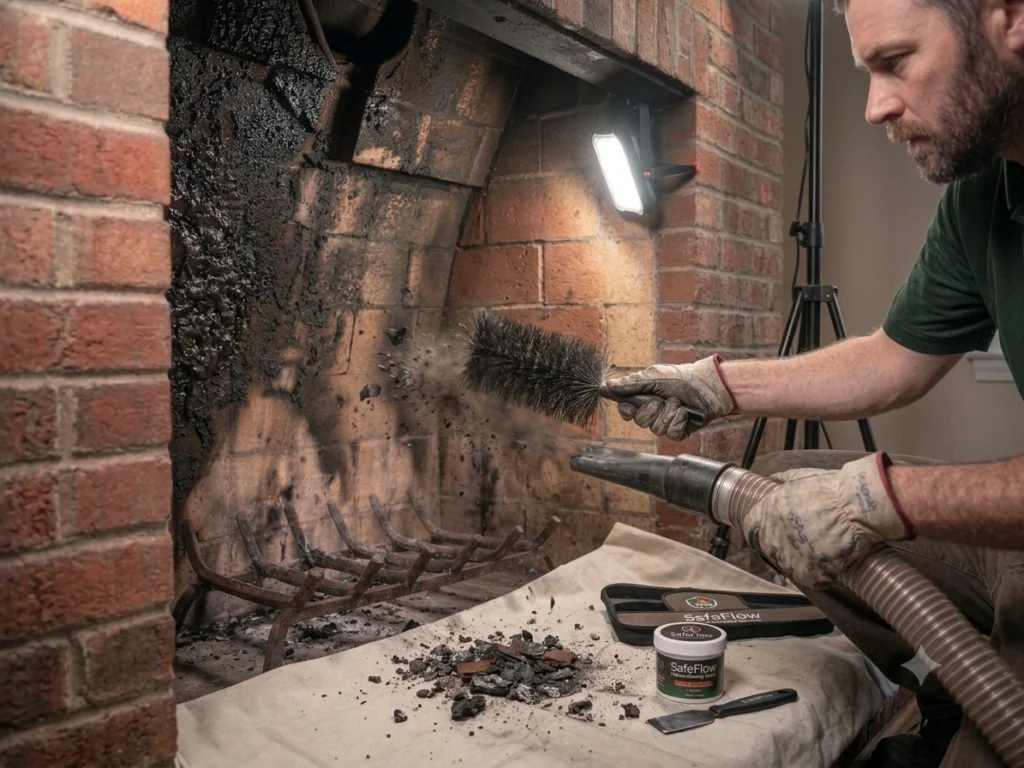
Cleaning focuses primarily on removing accumulated substances such as soot and creosote. Inspection, on the other hand, focuses on evaluating the condition and function of the chimney system.
A chimney may need both services, but one does not automatically replace the other.
For example, removing creosote from a flue doesn’t necessarily reveal every structural defect. Likewise, identifying a crack doesn’t remove the deposits that may have accumulated inside the chimney.
Homeowners should therefore consider the condition and history of their individual system when determining which services are appropriate.
Don’t Ignore Changes in Fireplace Performance
Homeowners often notice functional changes before they recognize structural problems.
Smoke entering the room, difficulty maintaining a fire, unusual odors, poor draft, or unexpected sounds can all indicate that something has changed.
Animal activity can also create obstructions. Birds and small animals may enter chimneys and construct nests that interfere with airflow. A chimney cap or other protective component can help reduce this risk, but existing nests or debris should be addressed appropriately.
If a fireplace that previously worked well suddenly behaves differently, it’s worth investigating rather than assuming the problem will disappear on its own.
Why Documentation Is Useful
Keeping inspection and repair records can be particularly helpful for older Maryland properties.
Documentation can show when the chimney was evaluated, what conditions were identified, which repairs were completed, and whether any recommendations remain outstanding.
This information becomes even more useful after renovations, appliance replacements, or property ownership changes. It gives future inspections a point of reference and can help homeowners make decisions based on the system’s history rather than guesswork.
Taking a Proactive Approach
A chimney is an important part of a home’s ventilation and heating system, yet much of its condition remains hidden from everyday view. That’s why knowing when a more detailed inspection is appropriate can be valuable for homeowners.
A Level 2 inspection may be worth considering after certain changes, property purchases, chimney fires, suspected damage, or other circumstances that could affect the system.
The goal isn’t to perform the most extensive inspection in every situation. Instead, the goal is to match the inspection to the circumstances and obtain enough information to make a sound decision.
For Maryland homeowners, taking that approach can help uncover hidden concerns, support safer fireplace operation, and protect an important part of the home’s structure. Rather than waiting for a visible failure, a detailed evaluation can provide valuable insight into what is happening inside the chimney, and what should be done next.